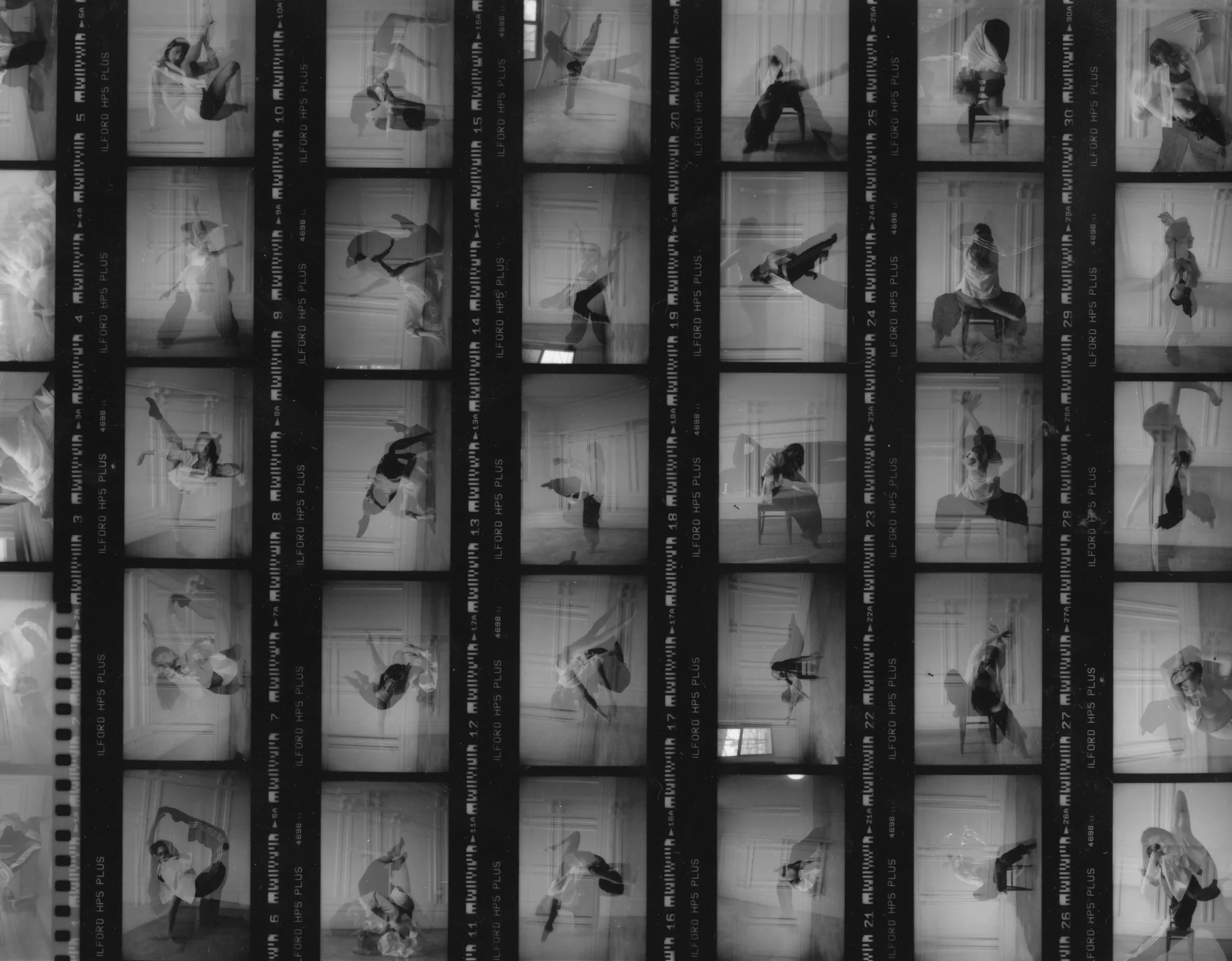
“Now That You See Me, What Do You See”
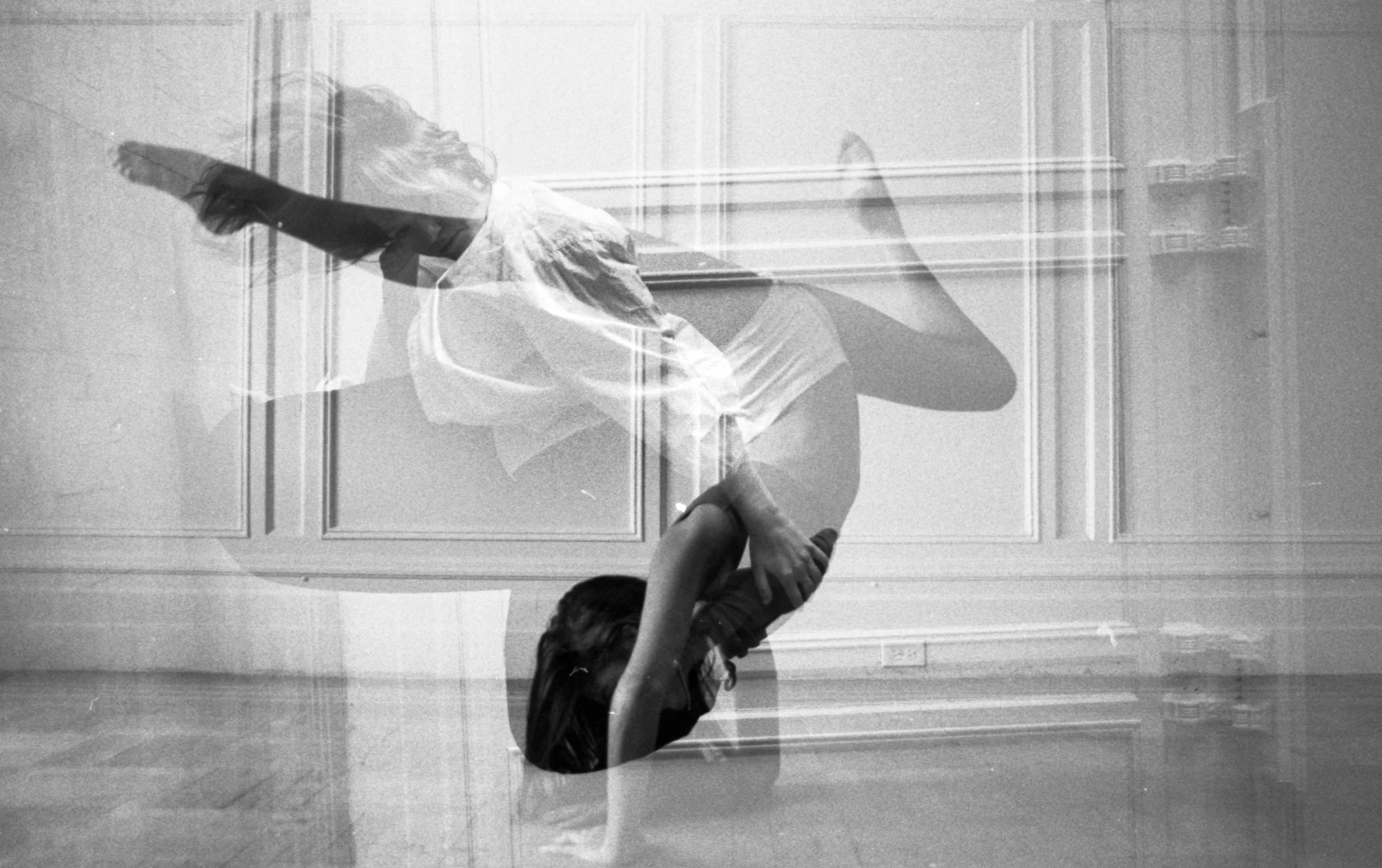
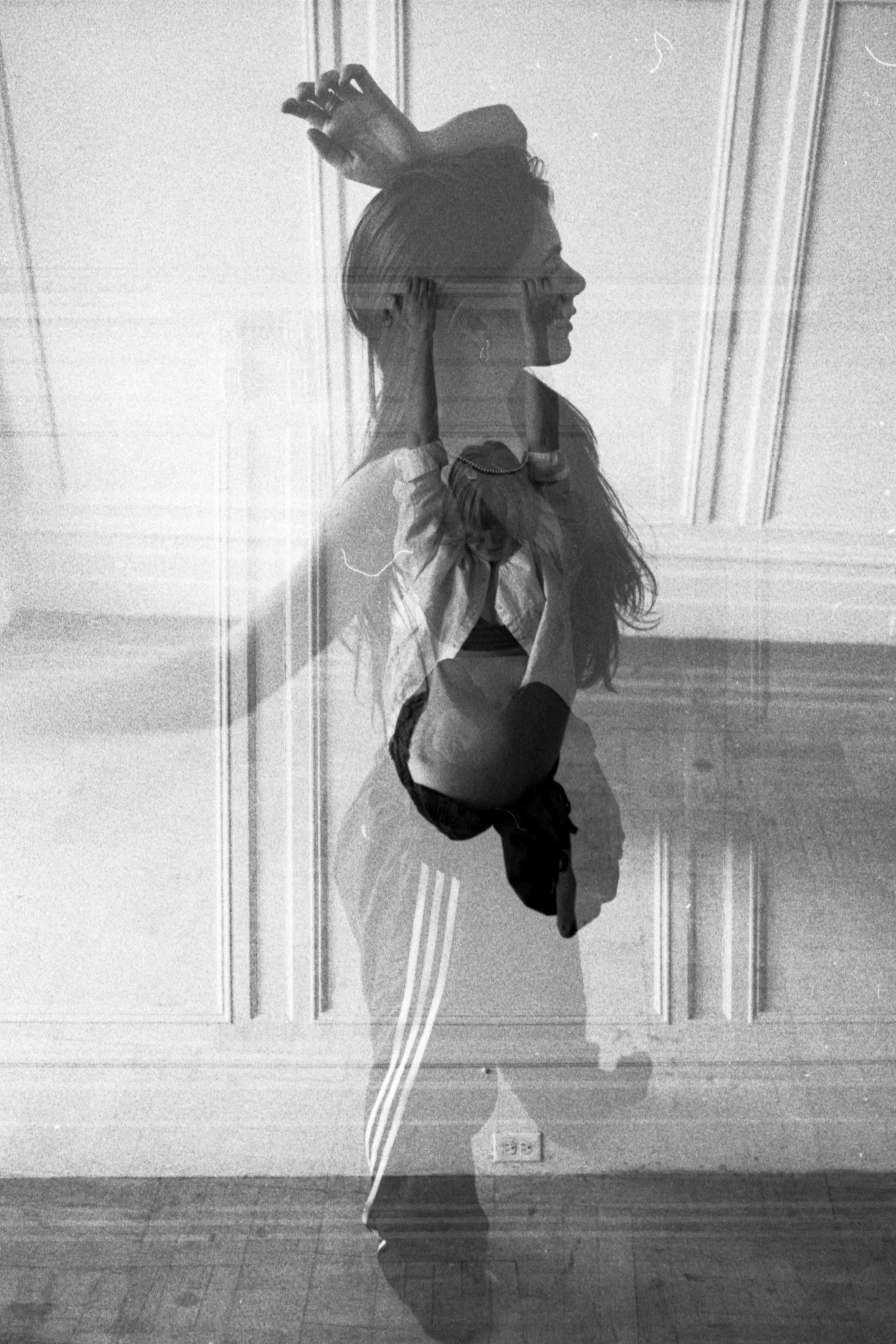
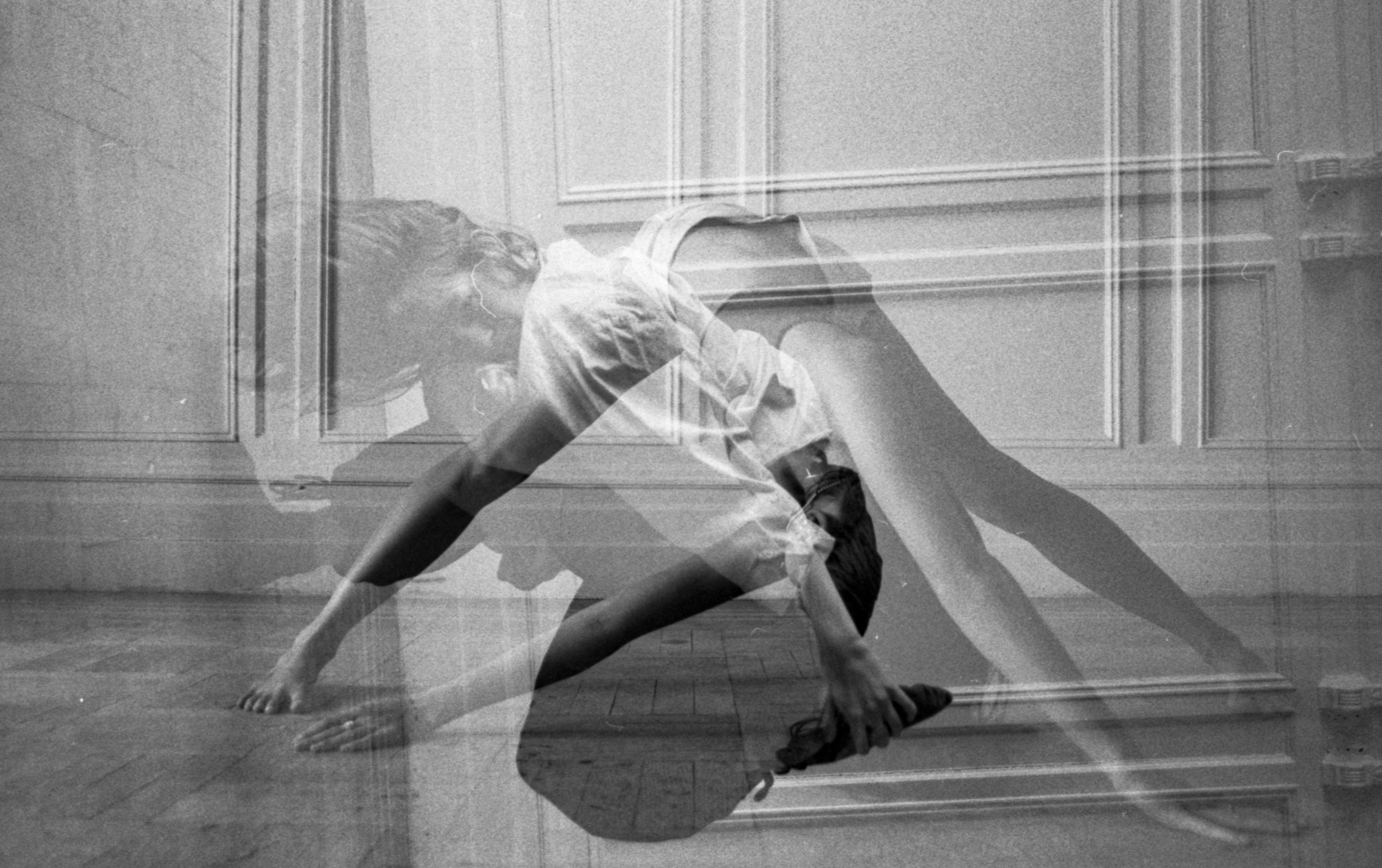
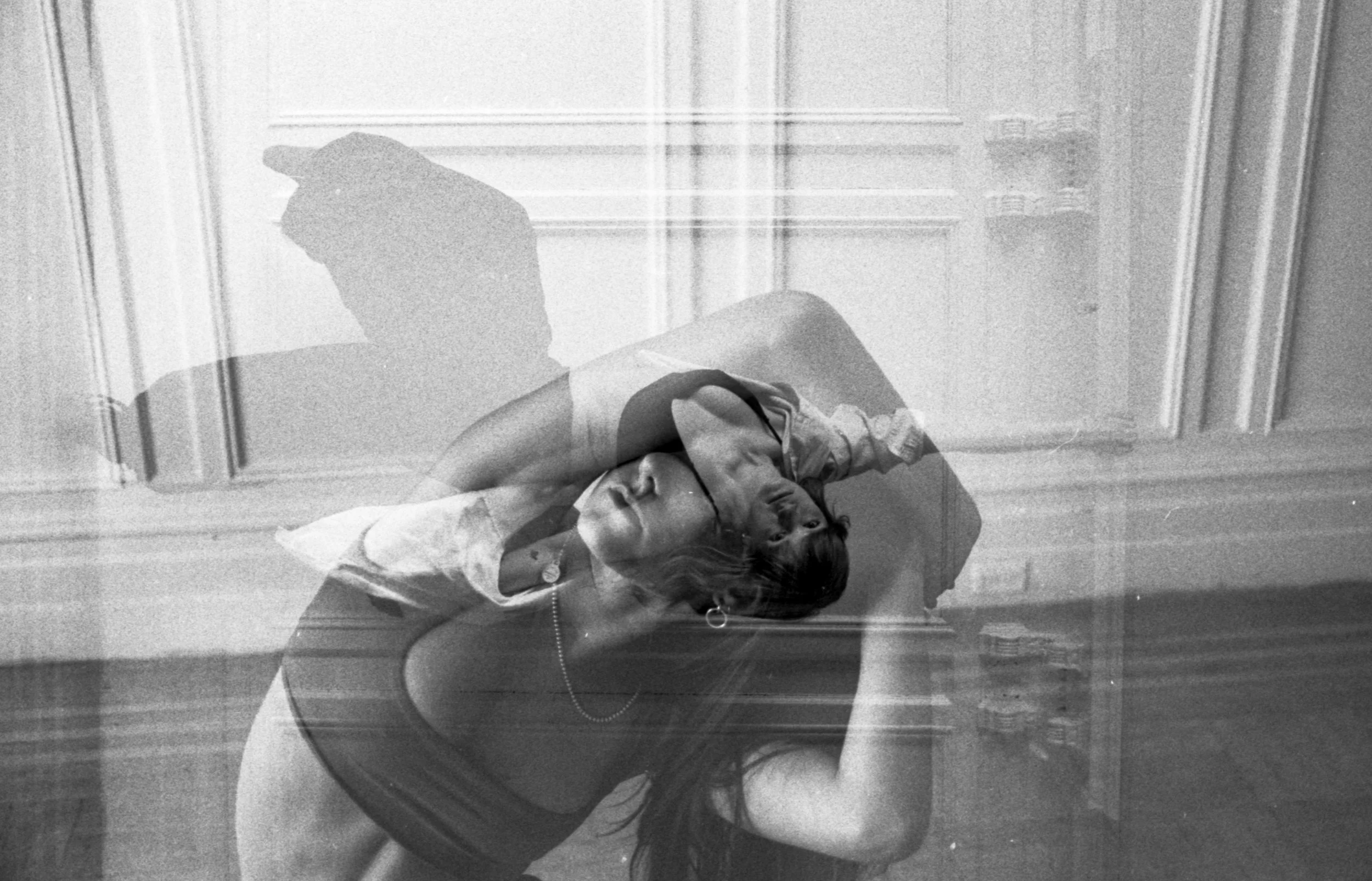
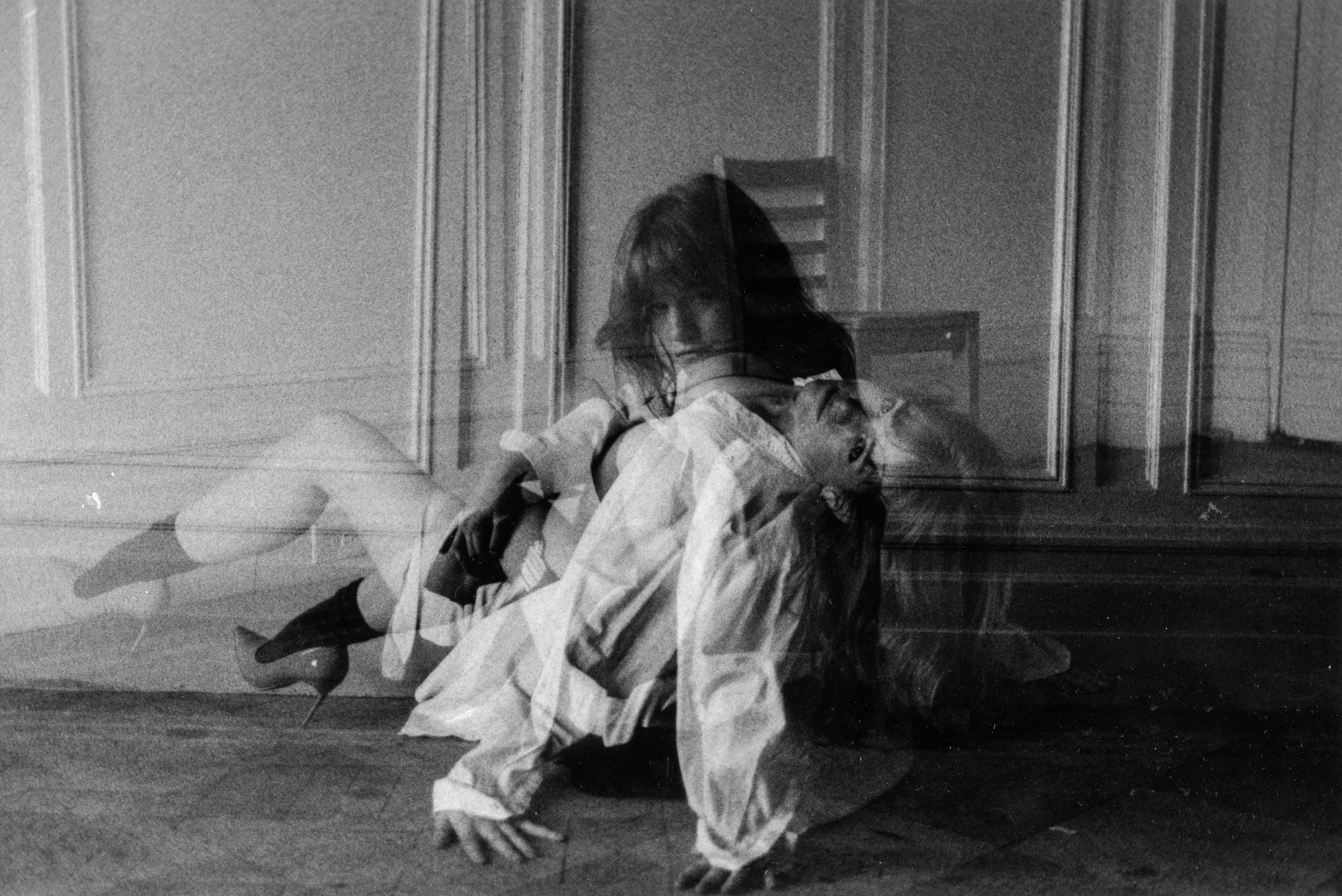
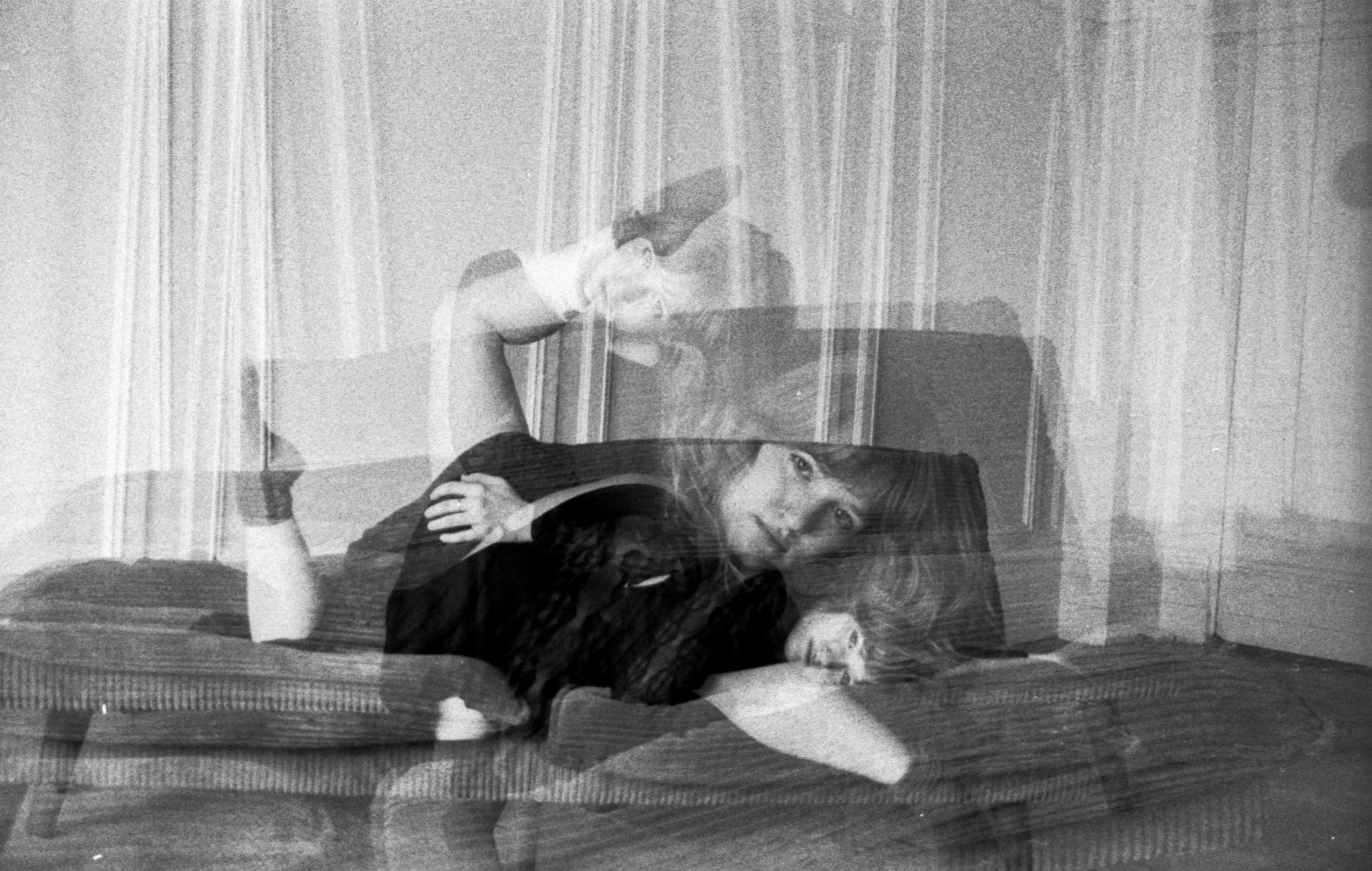
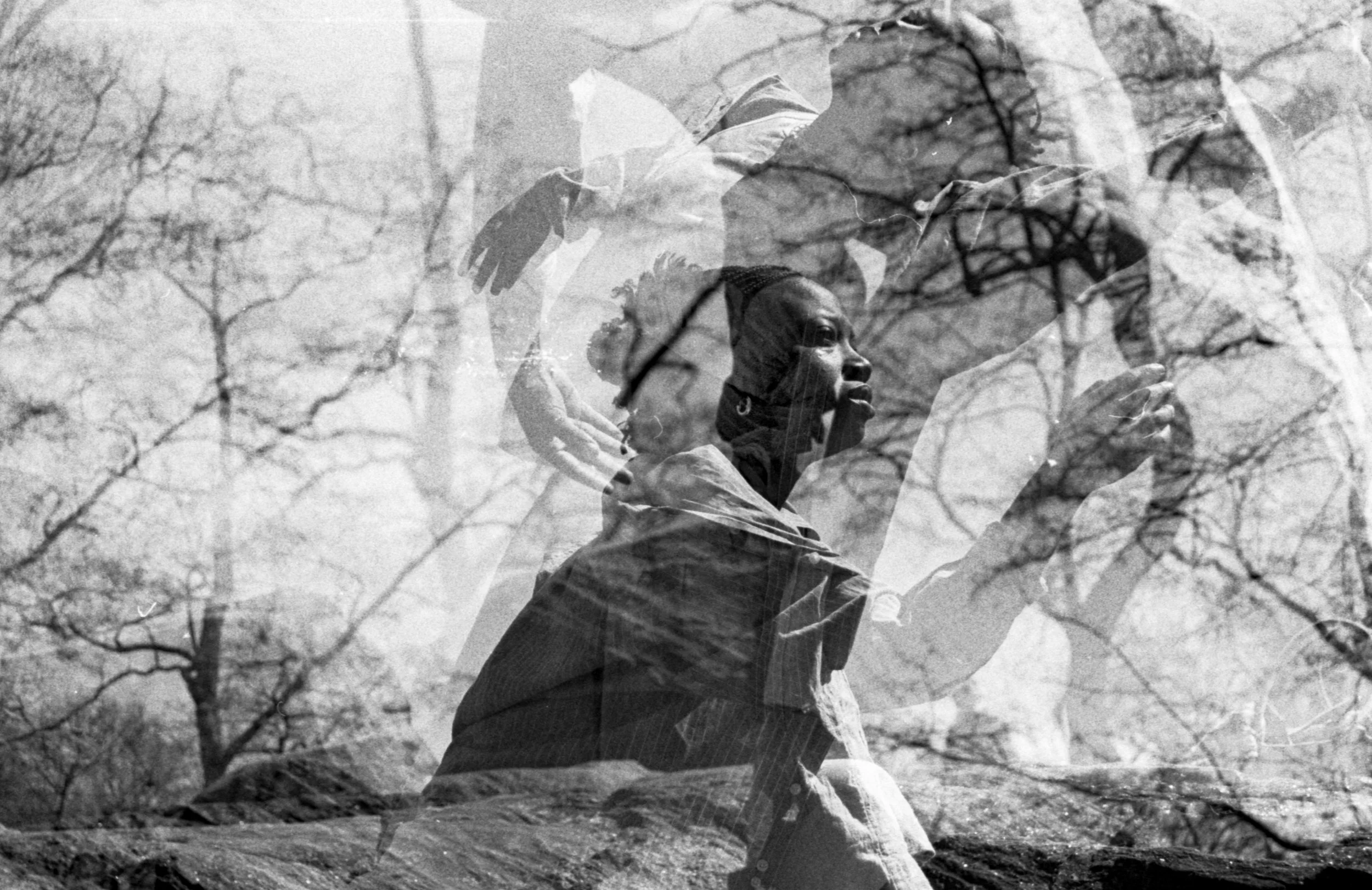
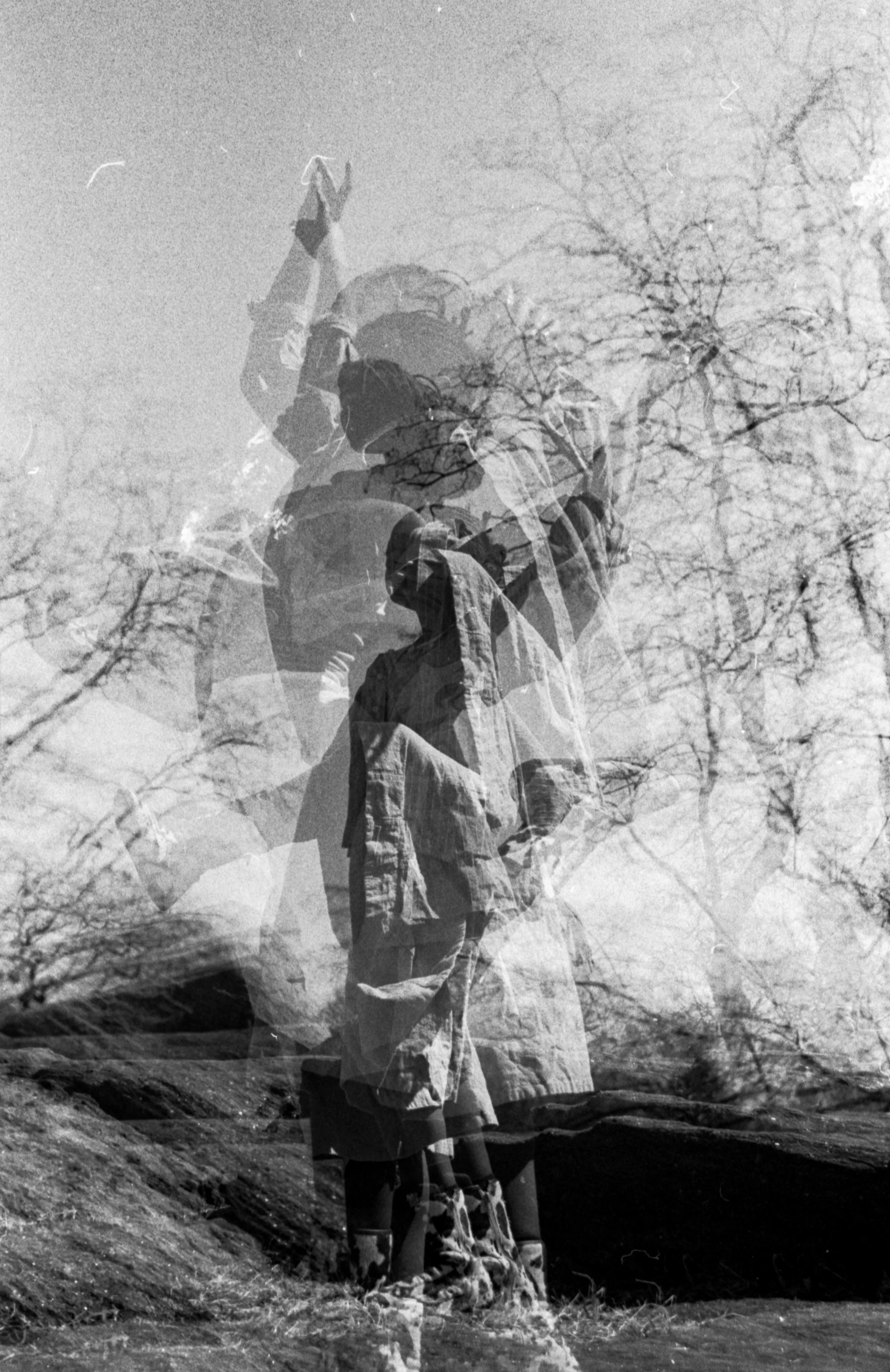
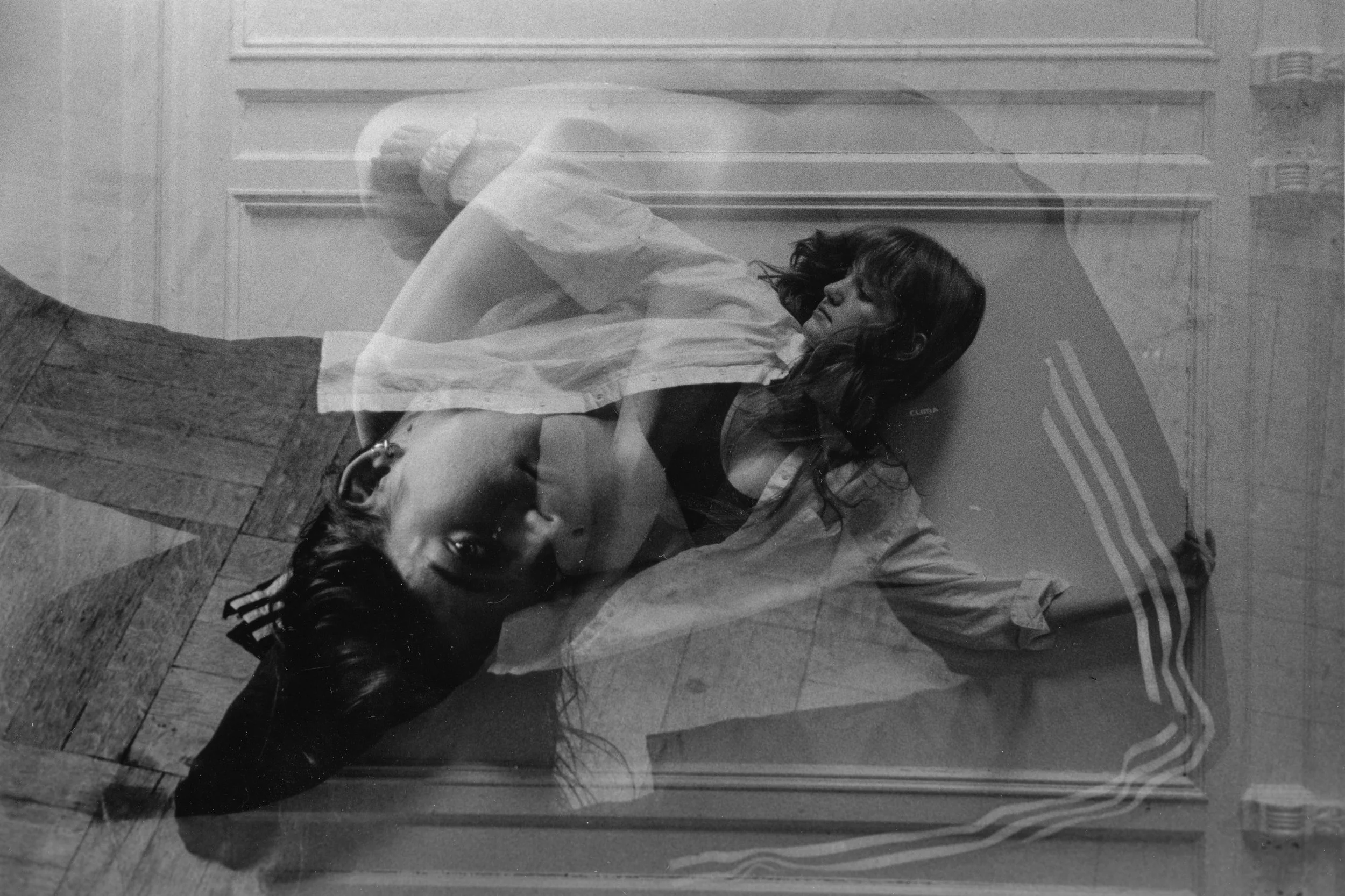
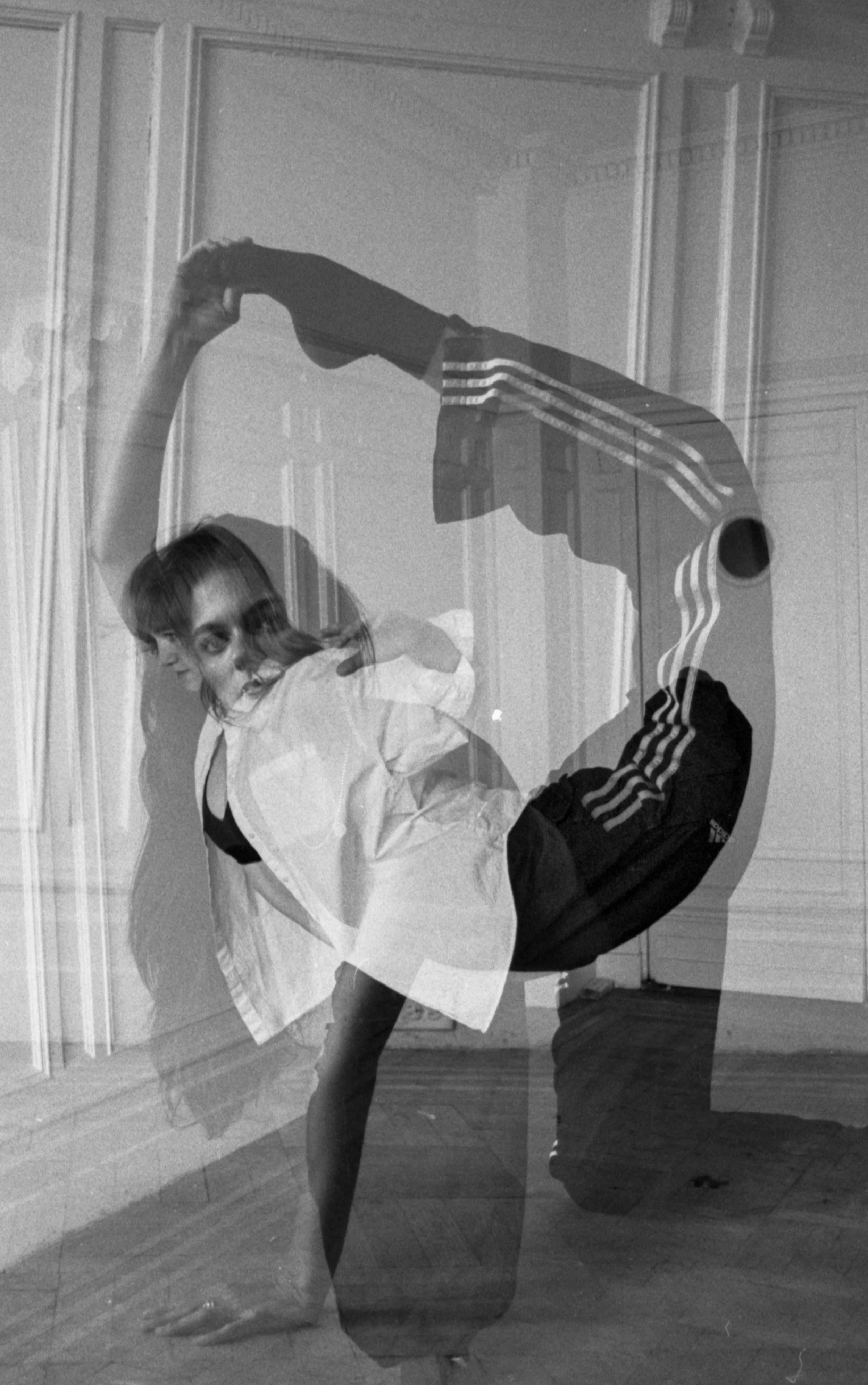
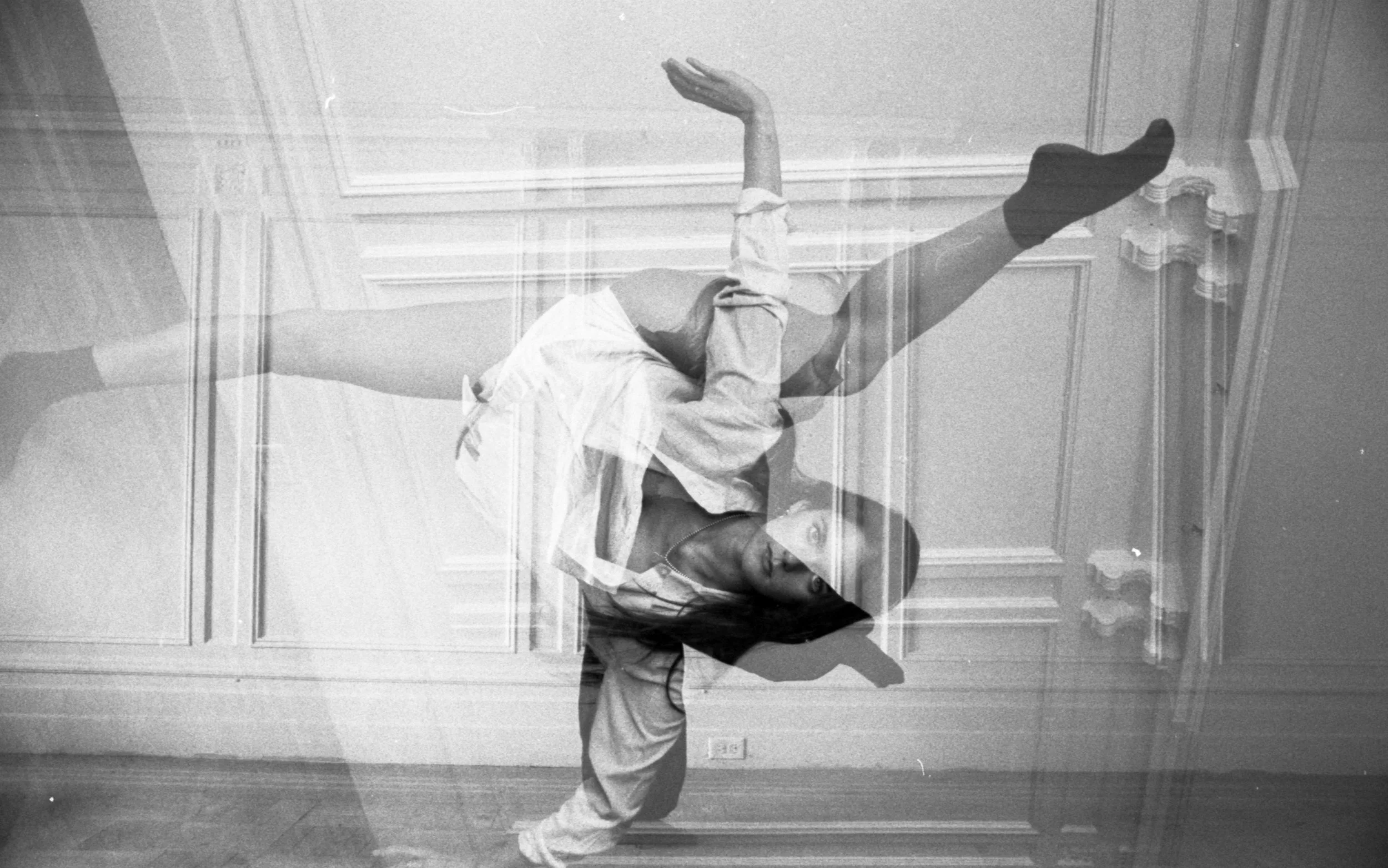
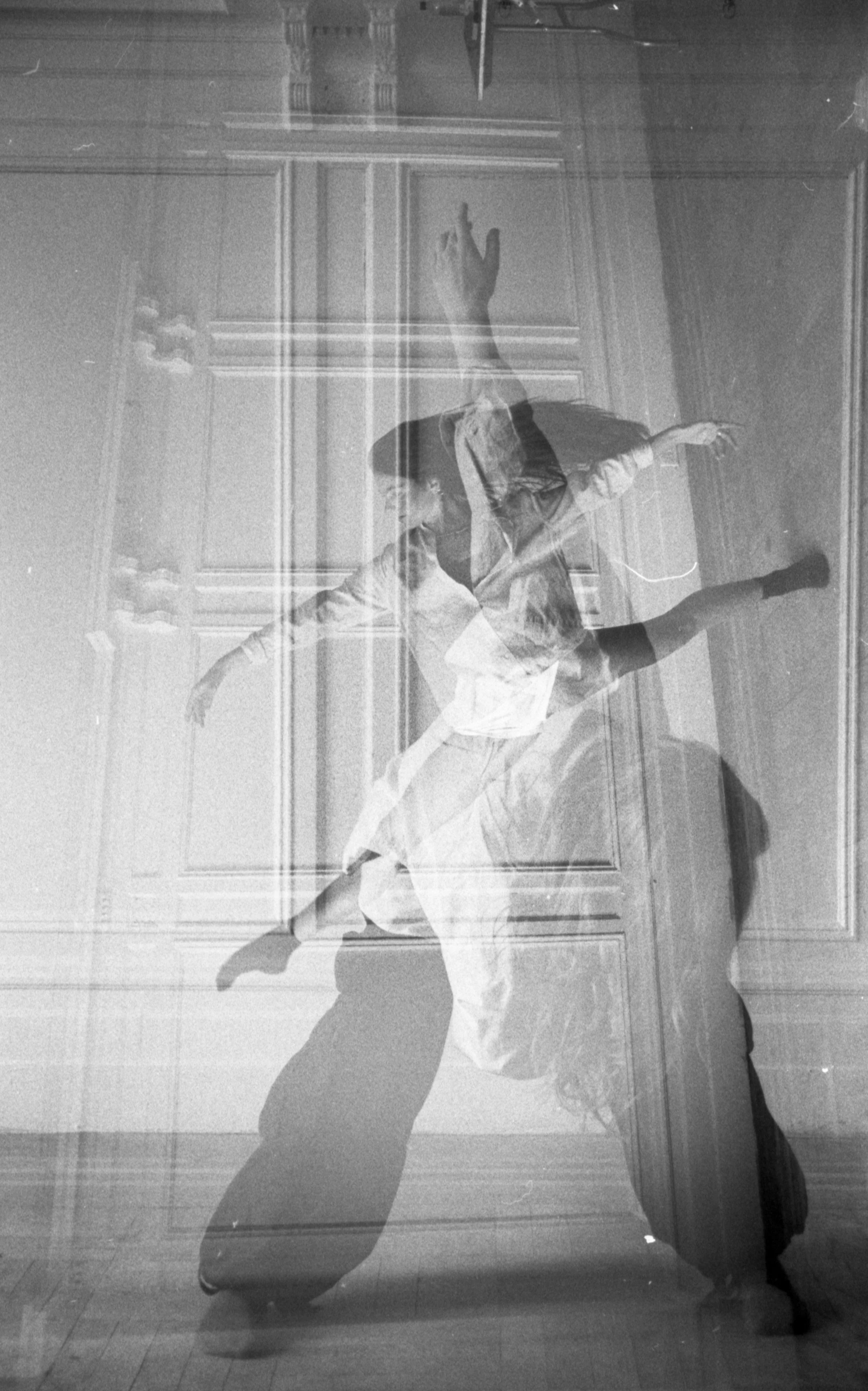
Let these images challenge your perception of the bounds of the human form.
Originally displayed in home is not a given, the senior capstone Visual Arts major exhibition at Barnard College of Columbia University.
Curated by Jozefina Chetko.
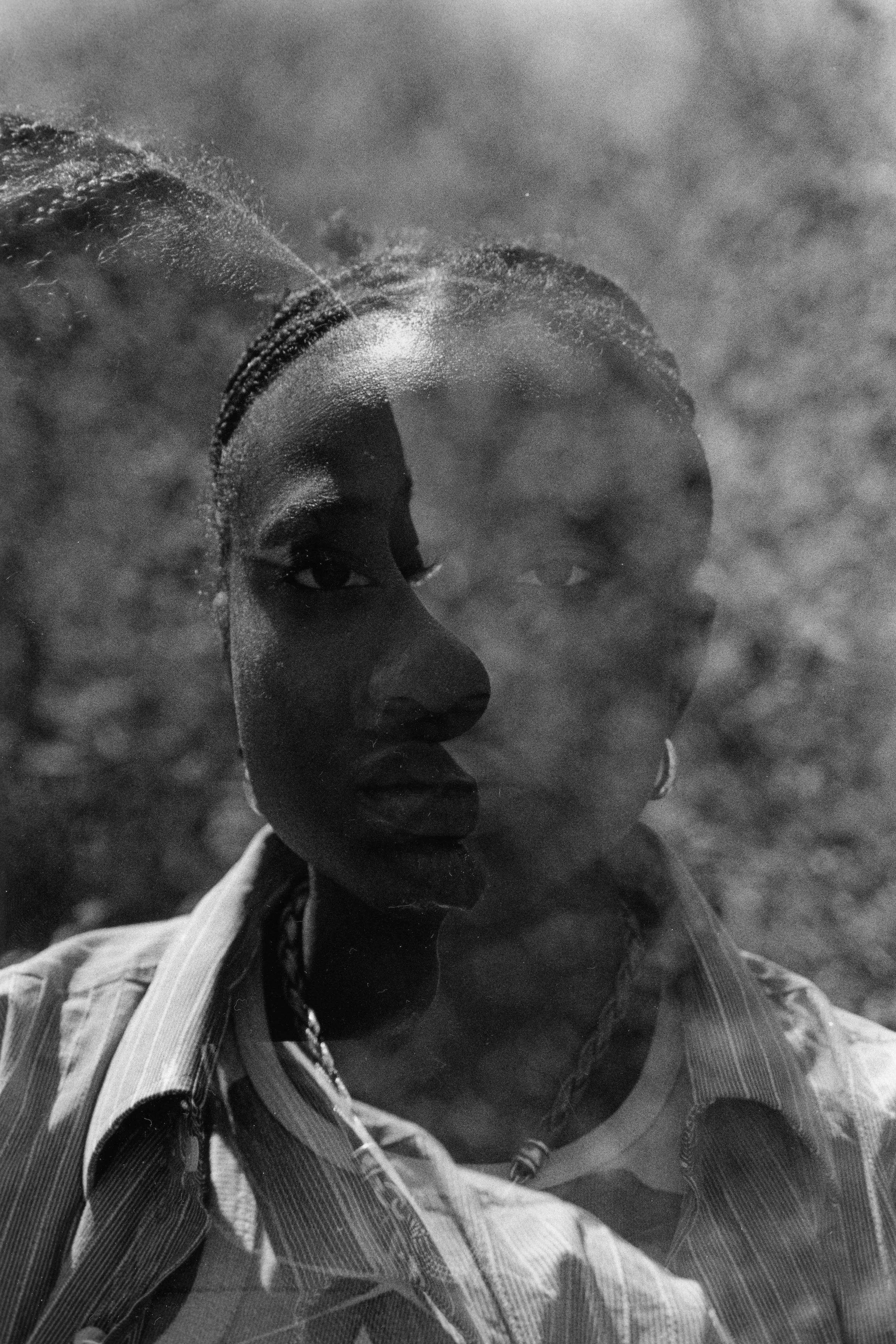
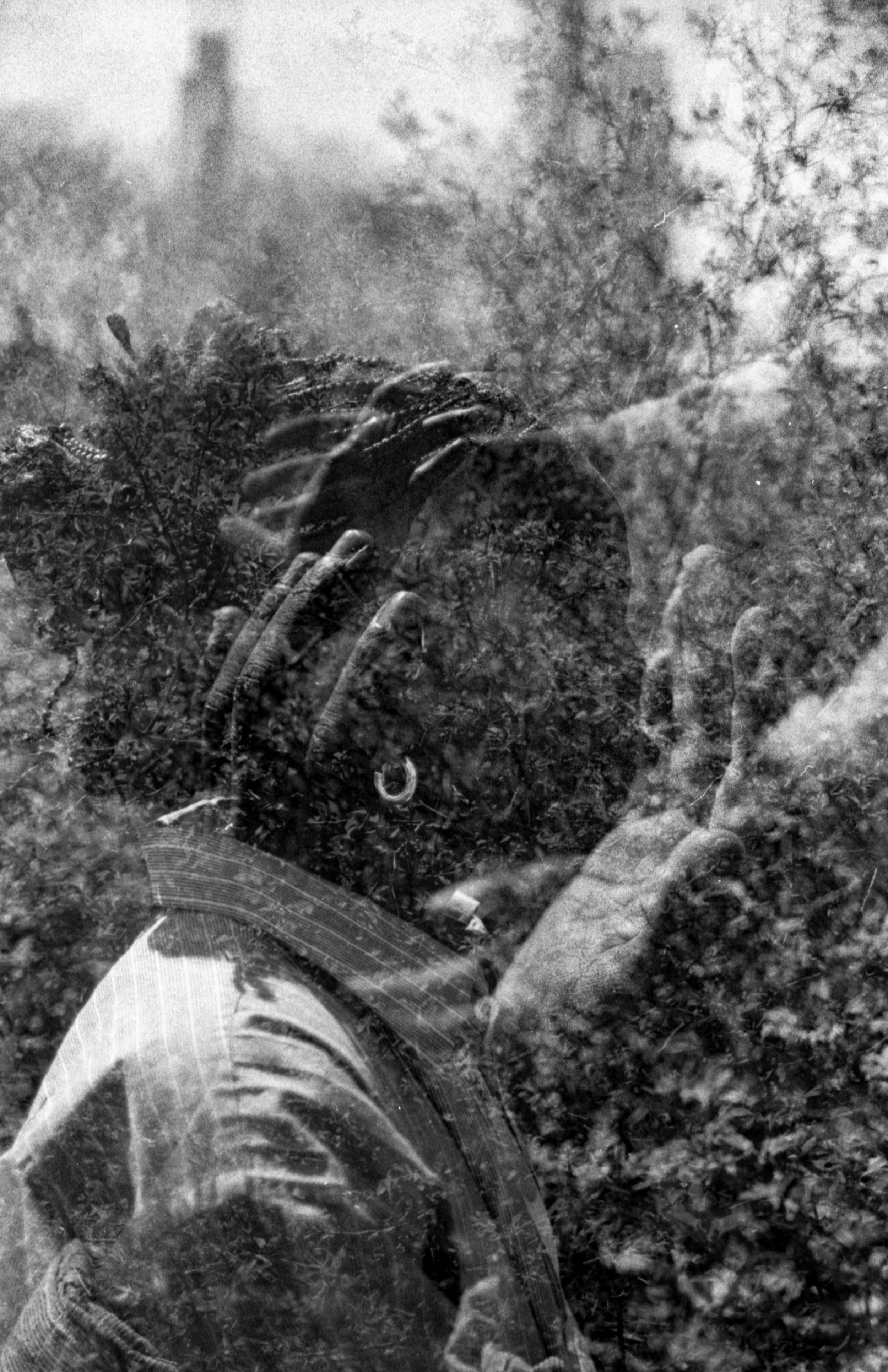
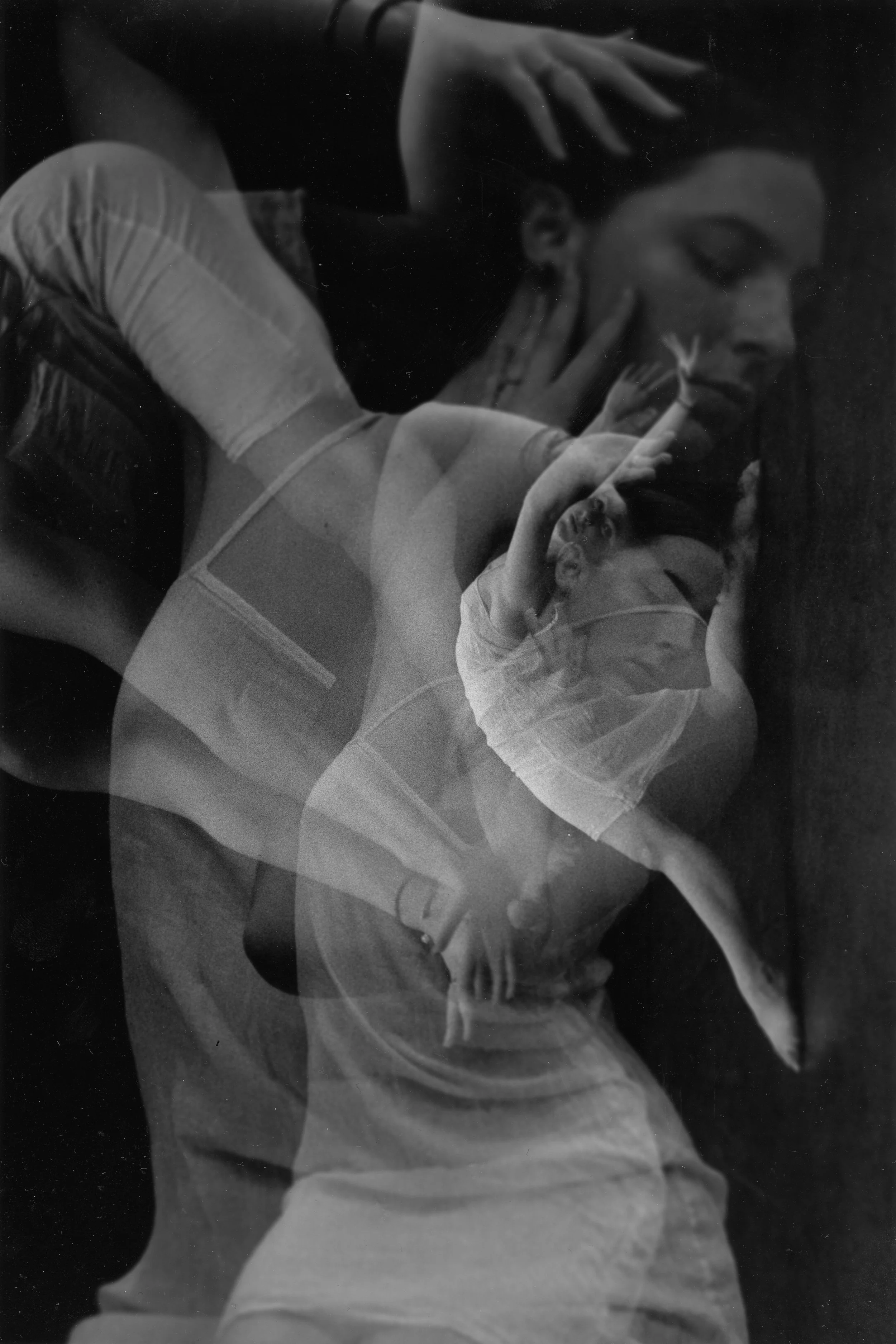
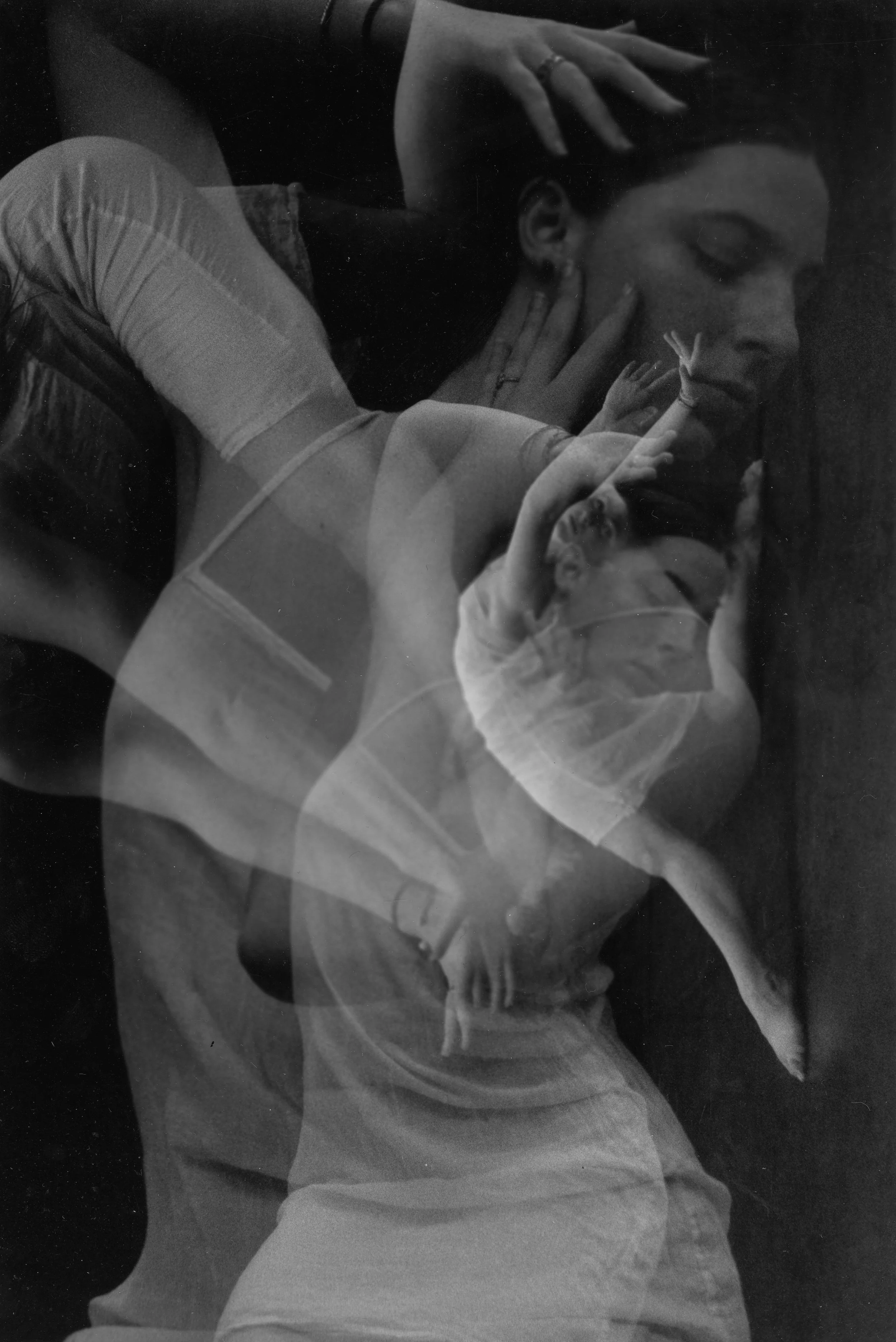
Artist Statement
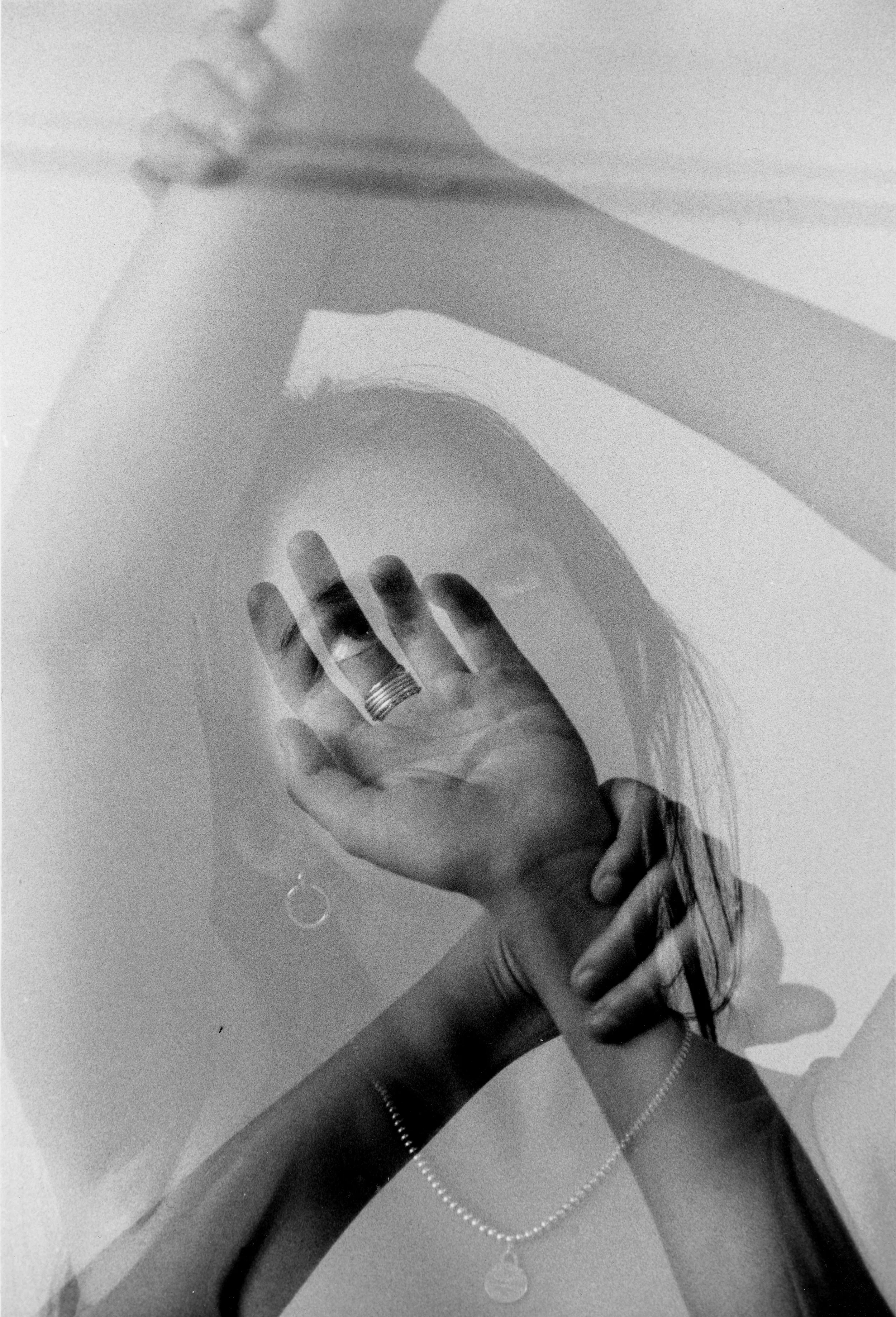
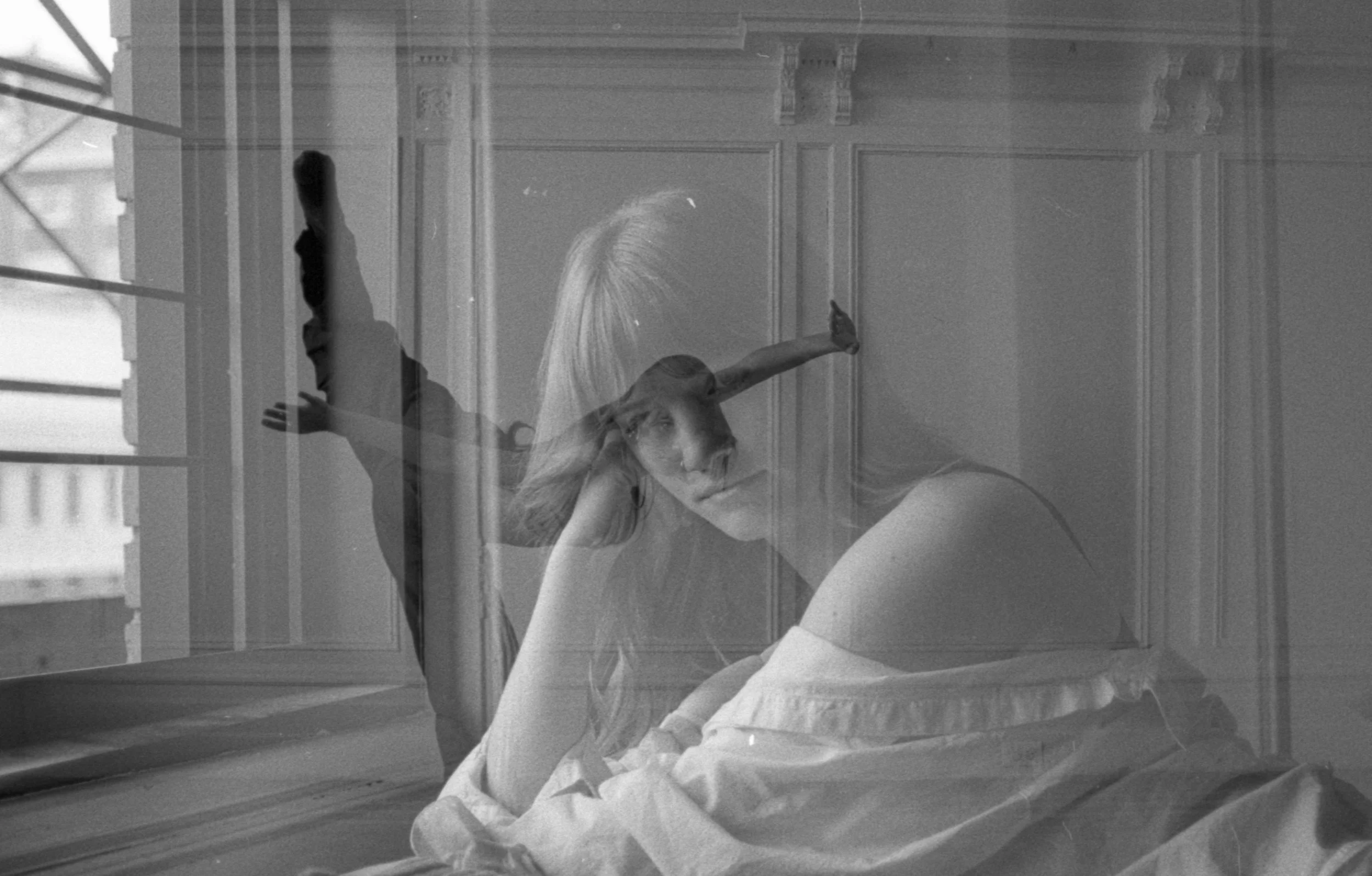
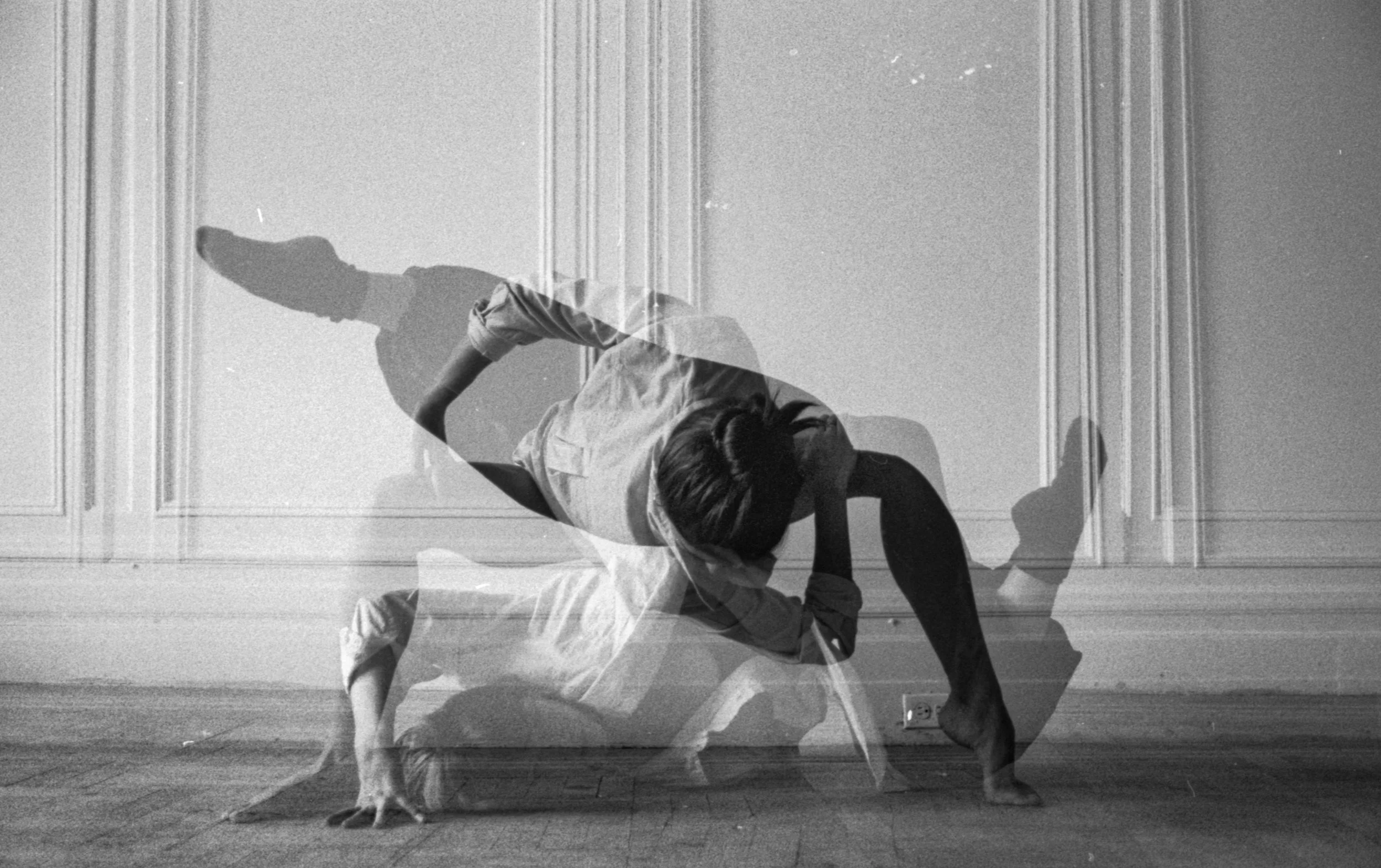
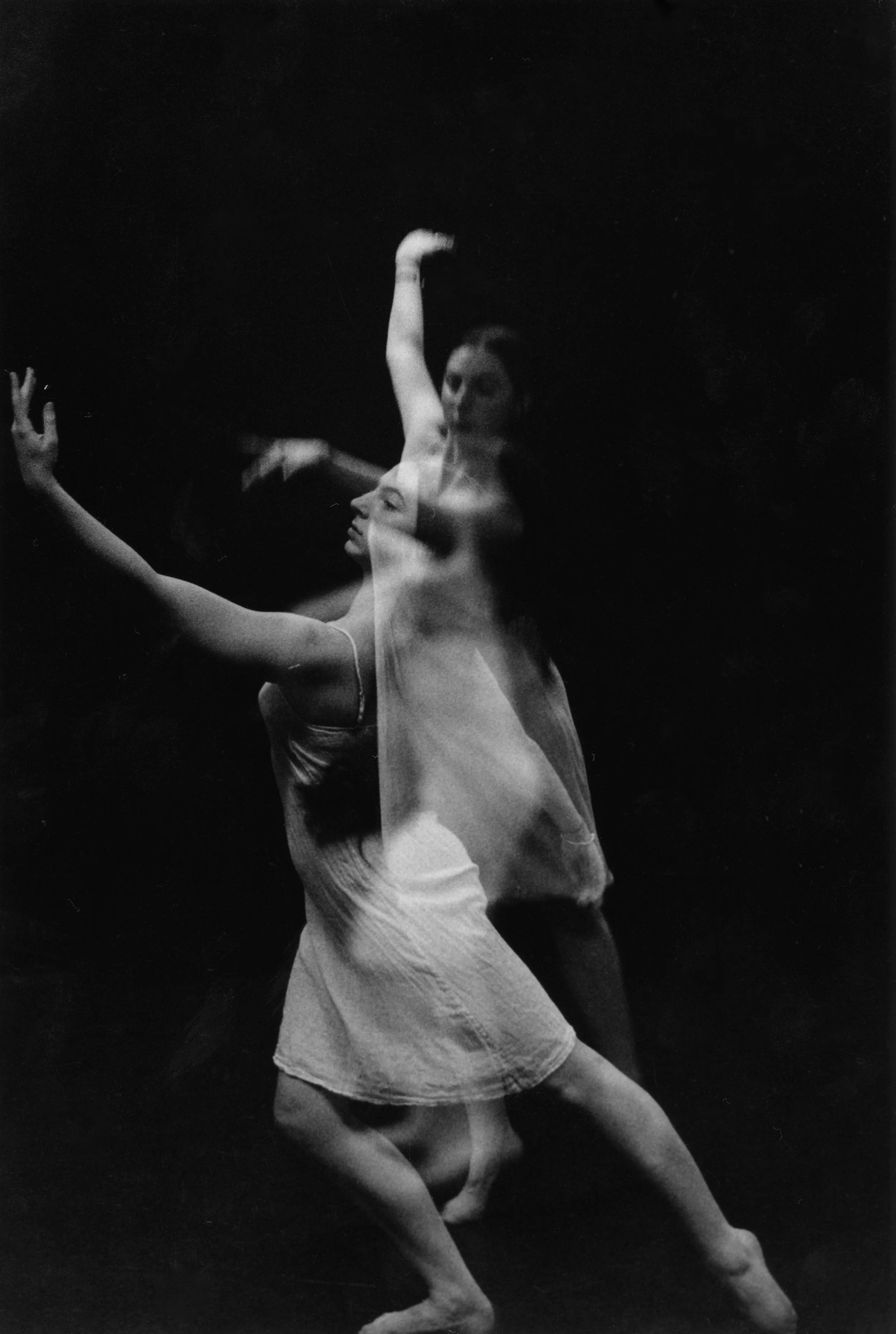
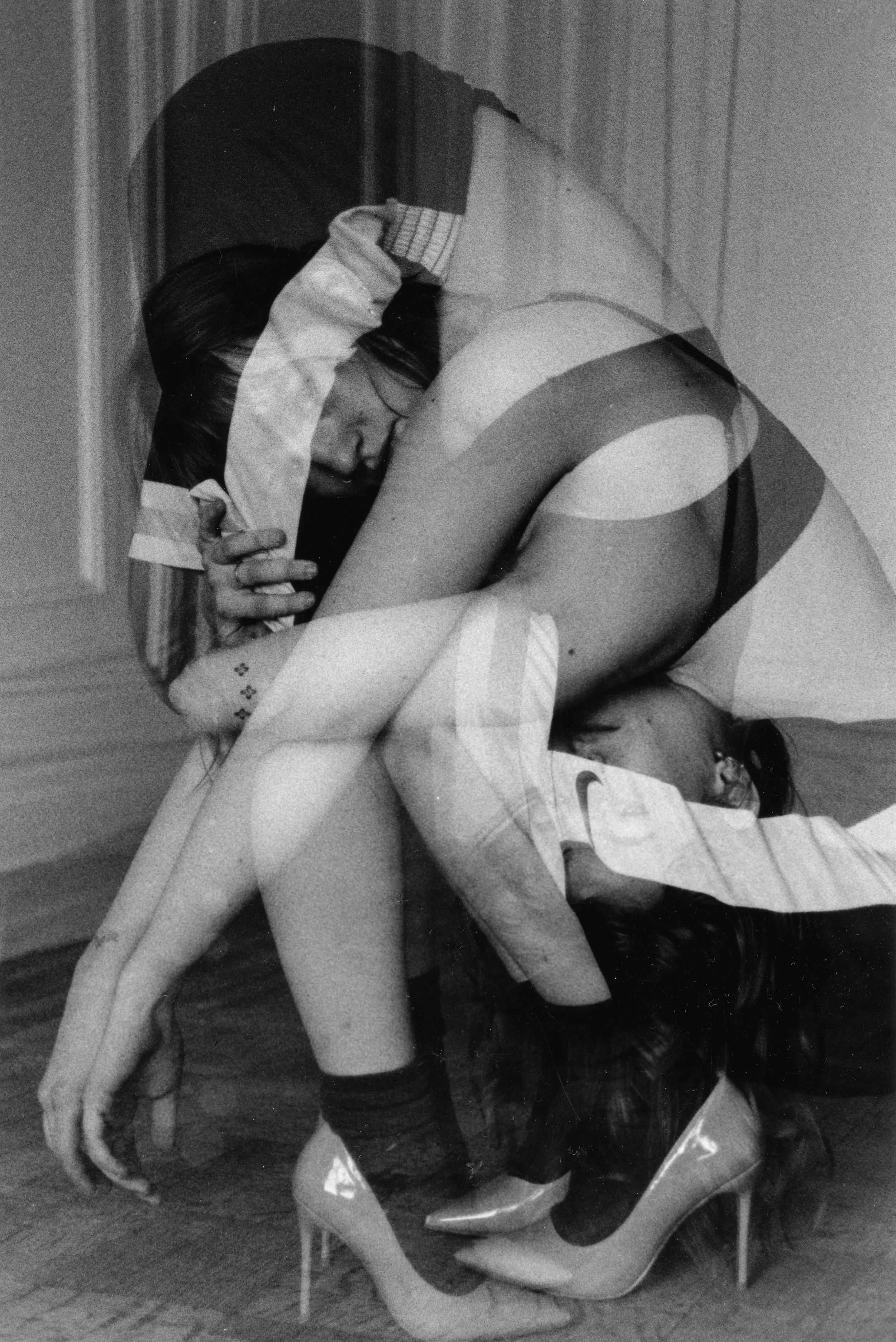
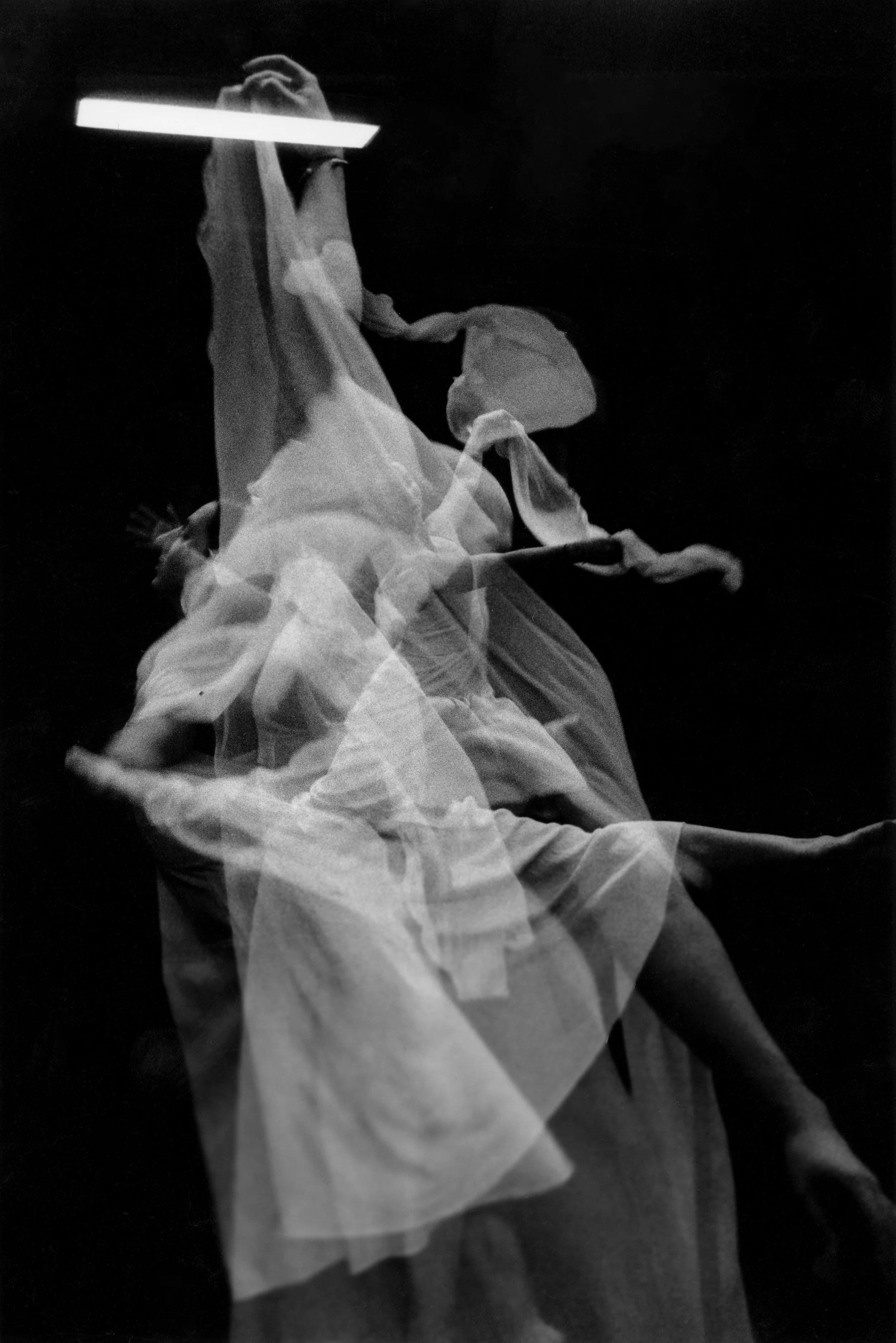
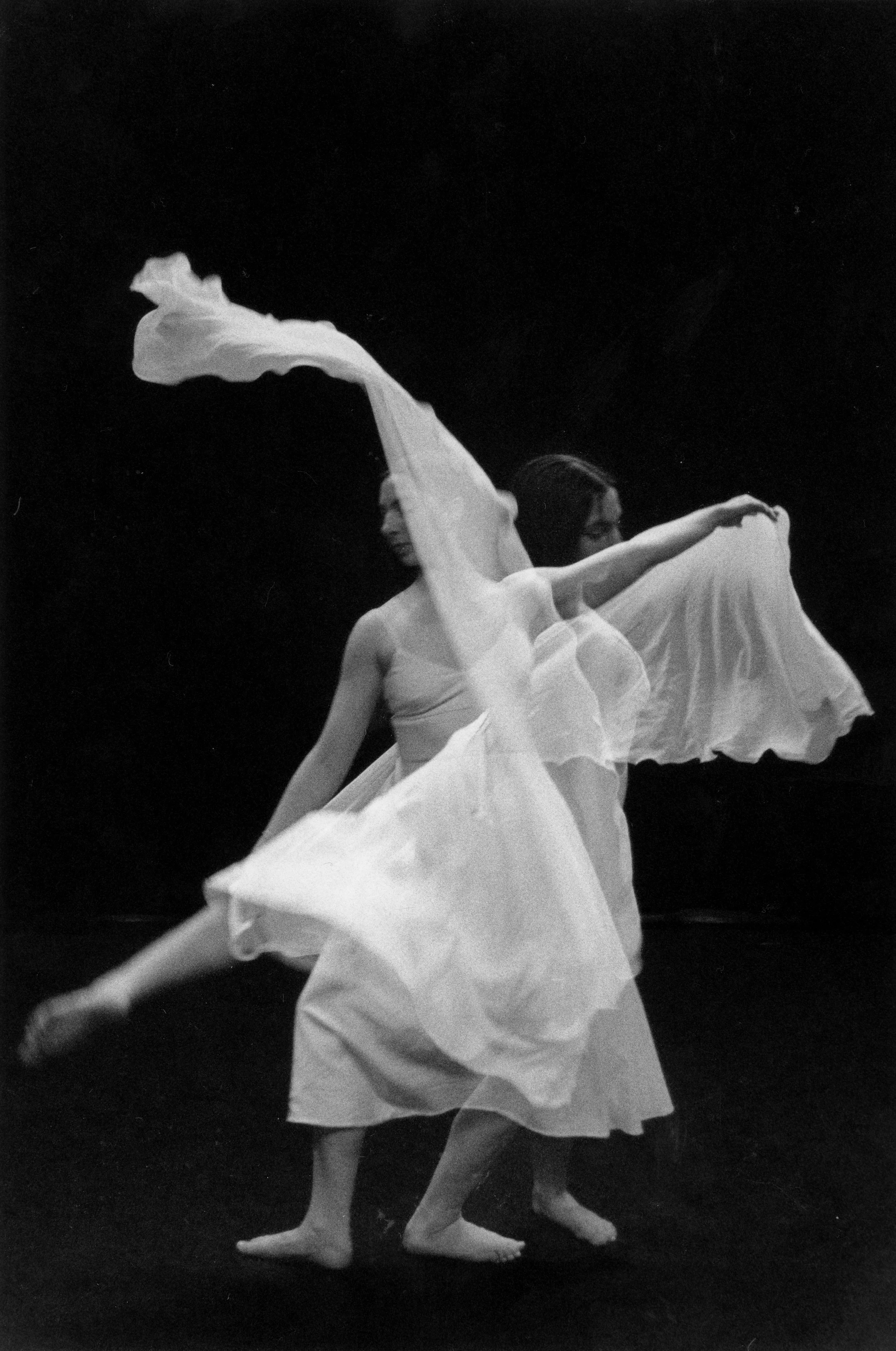
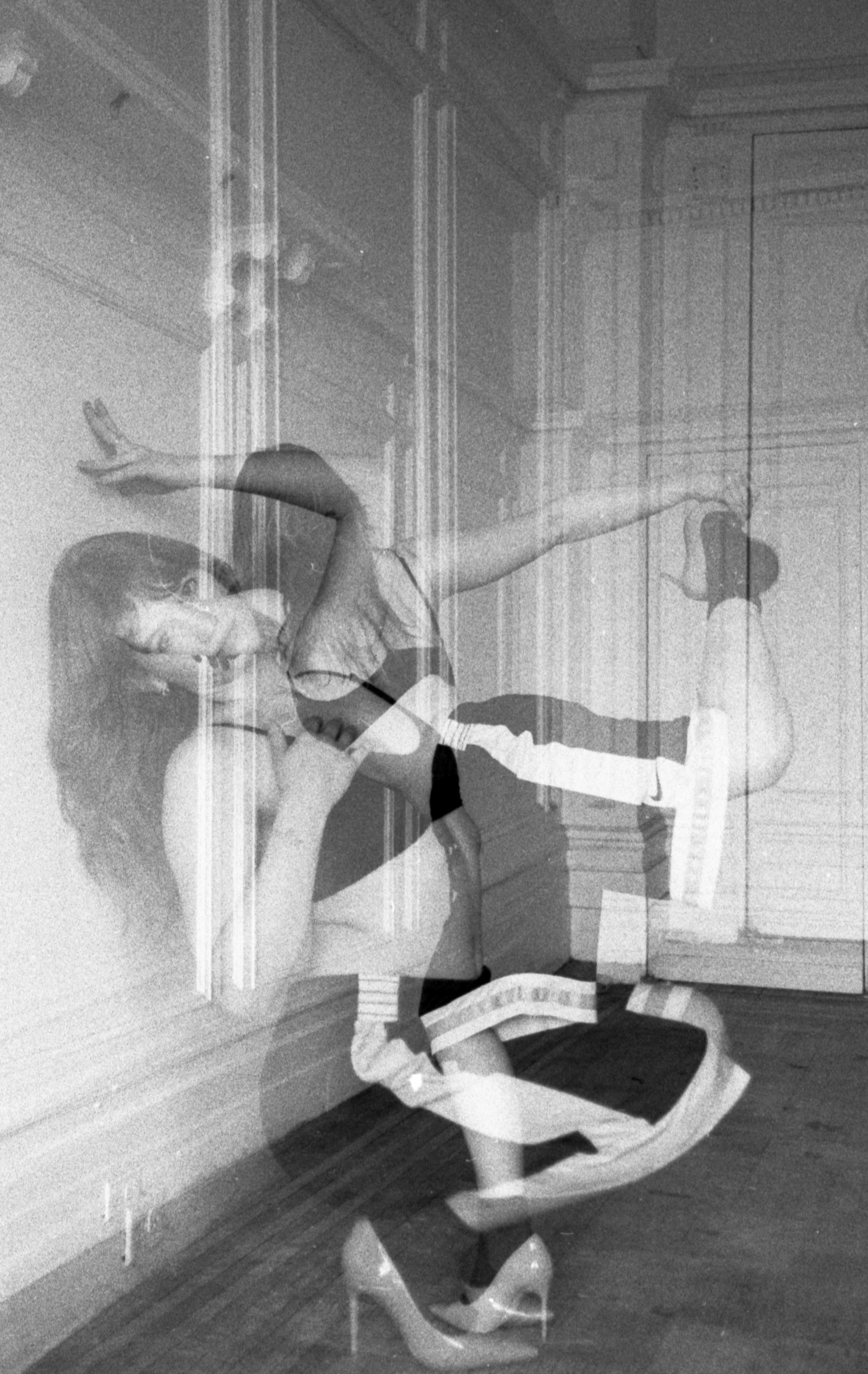
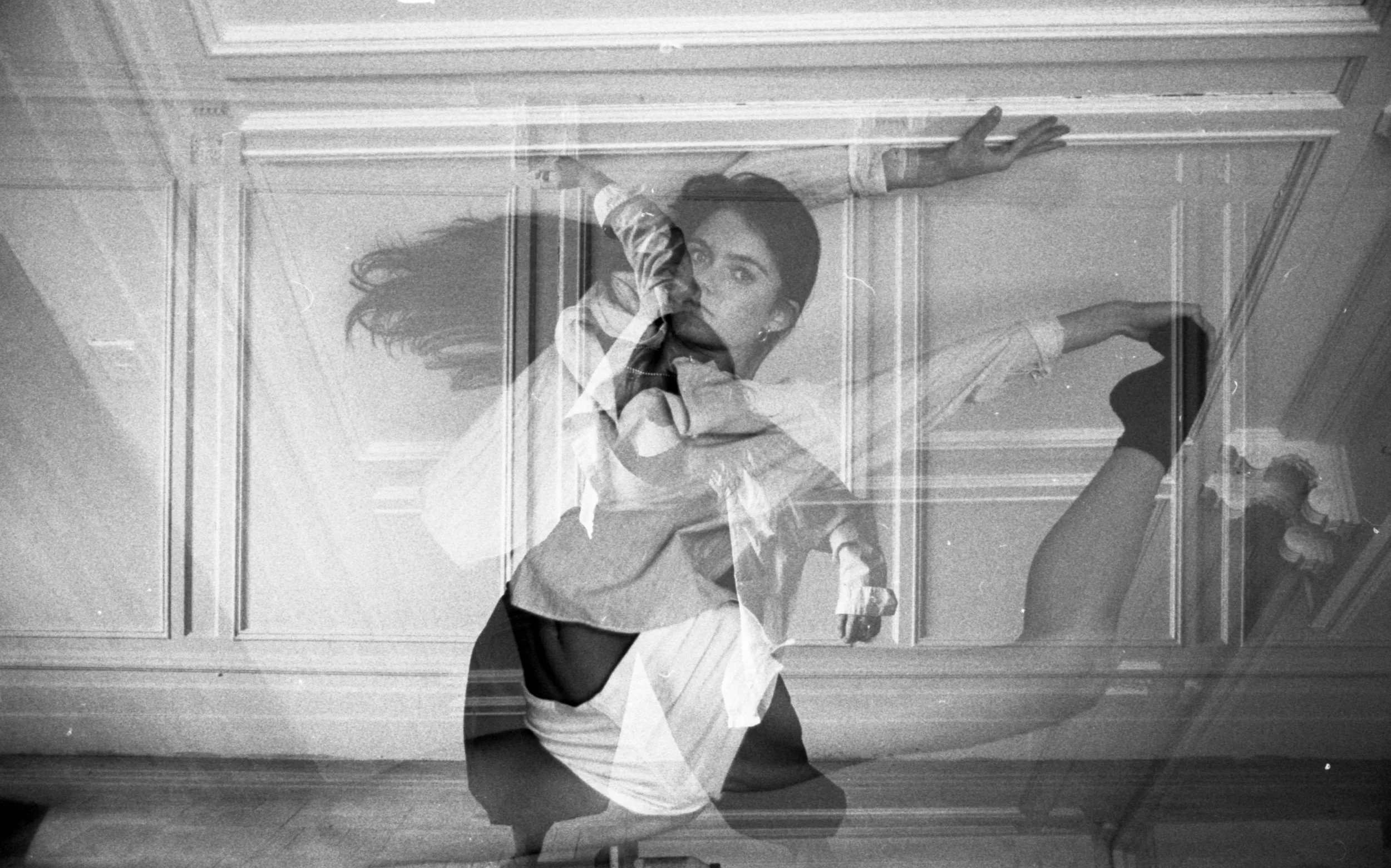
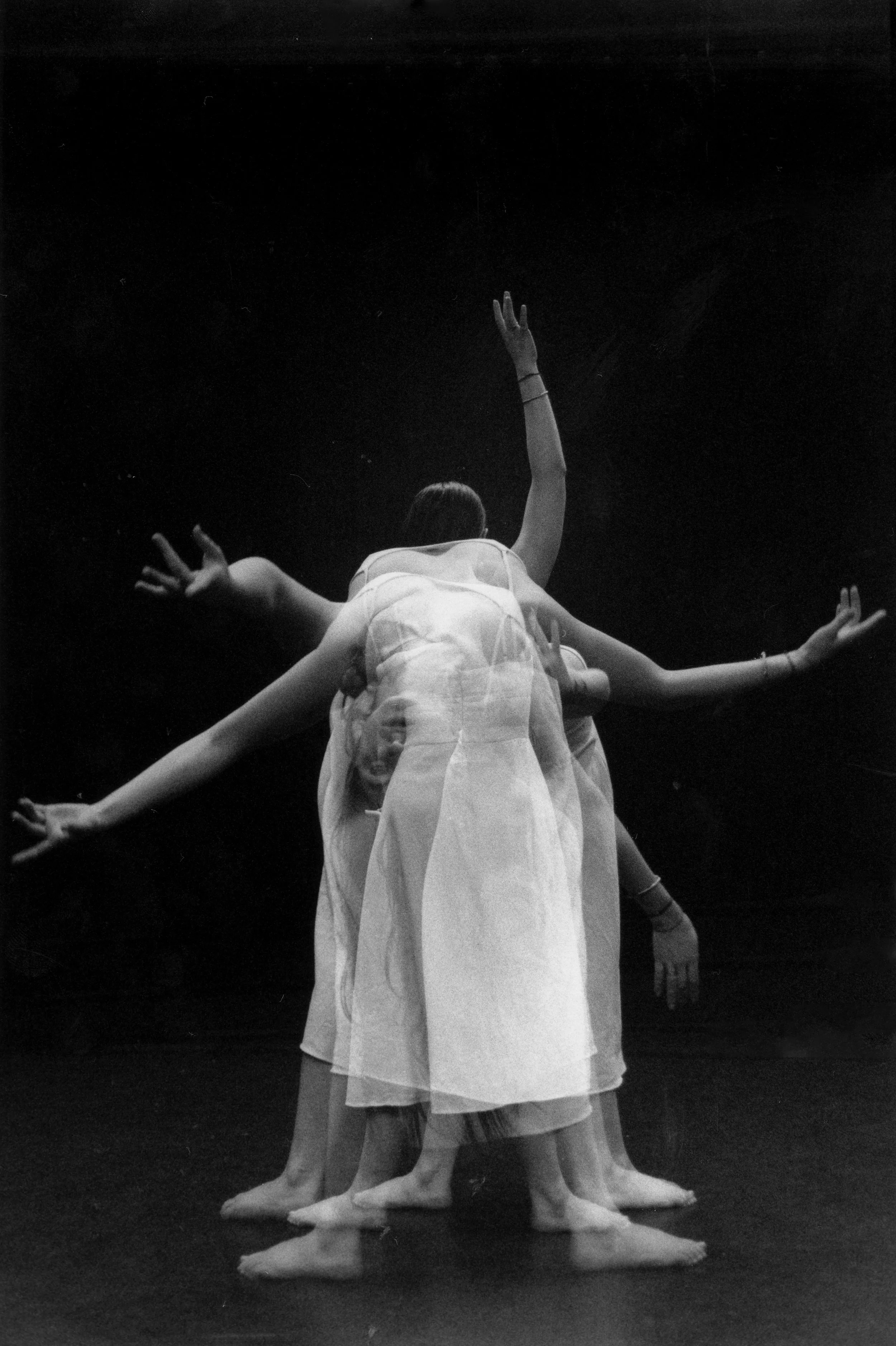
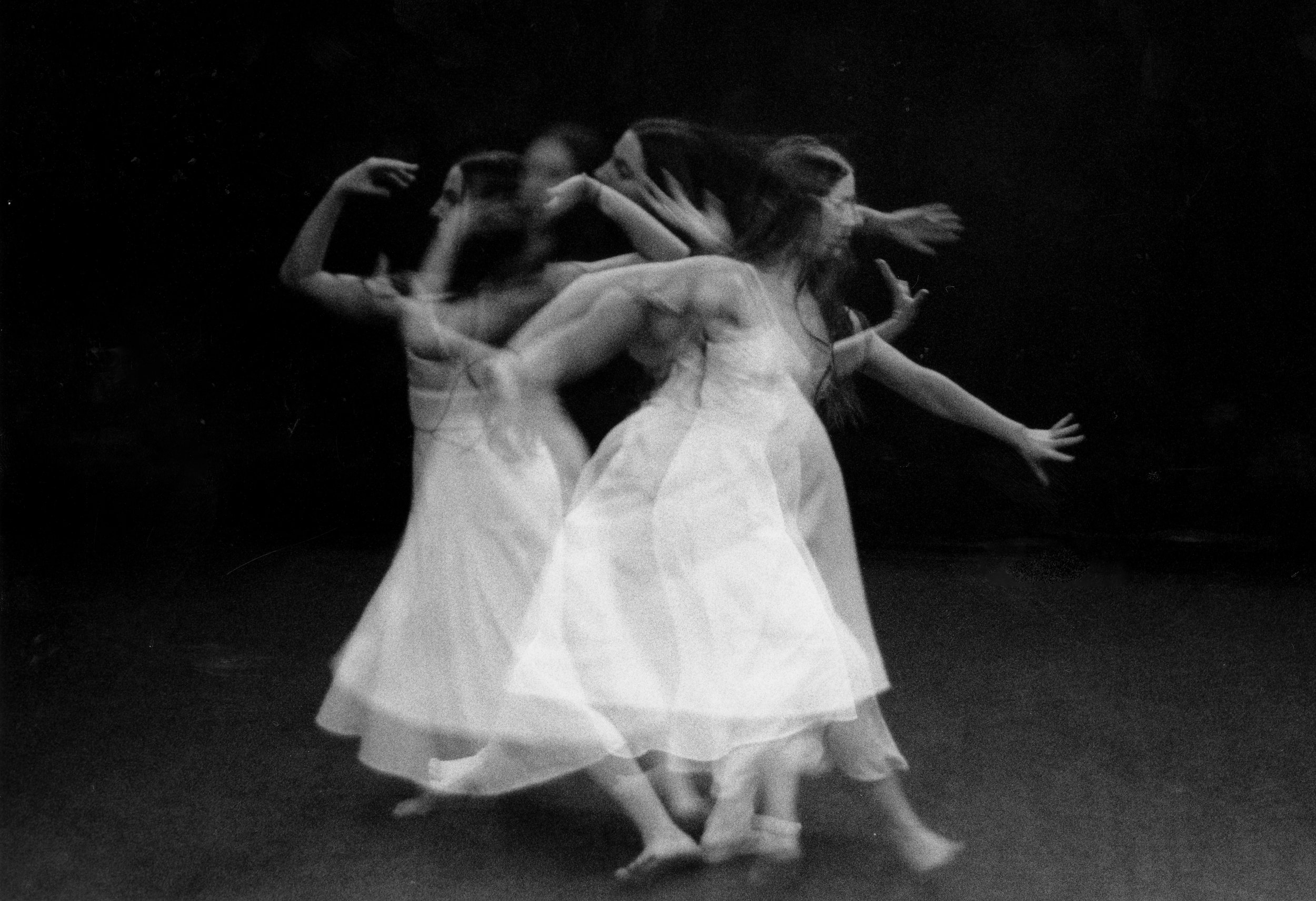
In this series I investigate the intertwined themes of control, perception, and temporality through the process of multiple-exposure film photography. At its core, this body of work emerges from my impulse for control. The analogue camera resists this desire. Its mechanics introduce chance, misalignment, and temporal collapse, pushing me to surrender the authority I desire. Through this forced surrender, this work becomes a collaboration between my intentions and the camera’s innate unpredictability. My work takes shape through the negotiation between accident and precision.
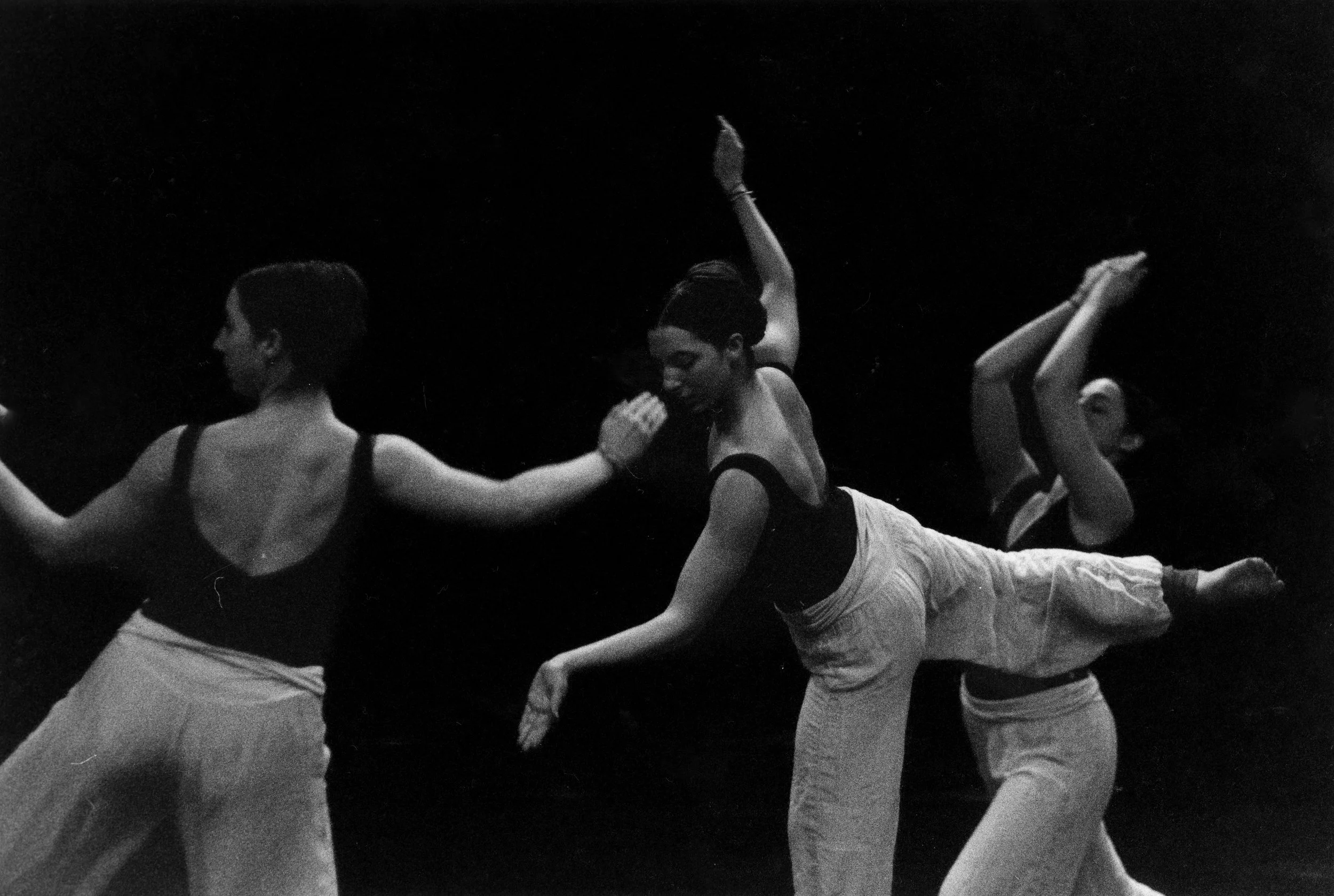
This collection is in collaboration with a series of dancers, as an homage of sorts to my creative roots that began through dance. Working with dancers stimulates a creative flow during each shoot as we work together to merge visual and performance art, that I then distill into a single photograph in the darkroom. Dancers have the unique ability to create intricate and unique body shapes, twisting and stretching their limbs into various forms. I use multiple exposures to combine these body shapes, resulting in something even more confusing. I curated the shoots and photographs so that the final product would result in a form that looks inhuman. I have created images of distorted human figures without ever distorting the actual human body.
I want my photographs to unsettle viewers, inviting them to pause in discomfort as these images bend their assumptions of what is real. By layering exposures, I create scenes that destabilize the boundaries of time and space. This amalgamation of images makes it a challenge to decipher where one figure begins and where the next ends. In these photographs, moments overlap, echo, and interrupt one another, forming visual spaces that feel simultaneously familiar and estranging. This temporal ambiguity is central to the experience of disorientation I hope to evoke, prompting viewers to question how they construct meaning from an image in the first place. The process of manually developing each roll of film and printing each image is meditative, and yet with each print, new hidden details are revealed from within the negative. I often don’t even fully understand the images I produce, but this element of mystery is at the foundation of this project.
In an era defined by hyper-accessible, frictionless image production, visual overstimulation has become the baseline condition. We scroll through thousands of photos and videos every day without taking any of them in. My response to this growing disconnect between media and humanity is not to simplify, but to intensify. These layered exposures, produced through the delicate analogue processes, ask for a different kind of attention from what we give our screens: not a passive consumption, but an active engagement. I do not assume that viewers have formal artistic or art historical training, instead I aim to construct images so visually compelling that they organically command focus. This series attempts to reactivate the viewer’s perpetual curiosity through ambiguity.
Shot on film, developed manually, and printed in the darkroom, this series is rooted in the physicality of analogue processes. These tactile methods offset the chaos that is multiple exposures. Through this interplay, this project asks what it means to look critically in a world where looking has become automatic. I invite viewers to linger in uncertainty, to inhabit the discomfort, and to reconsider how perception, memory, and time shape the act of viewing itself.
**For the partial completion of Strage’s Degree in Art History: Visual Arts at Barnard College**